
Animal Based vs. Plant Based Skincare
Dear SBA fam,
From the very beginning, SBA's products are built on a simple but important conviction: skincare should be rooted in plants, crafted with intention and expertise, and sourced with the highest integrity. Every balm, serum, oil, and mask begin with botanicals that are organic, wild harvested when possible, and selected for their nutrient density, stability, and proven skin benefits... not trend value.
Have you noticed a rising trend in animal based skincare products and companies? Salmon sperm facials. Snail mucus serums. Beef tallow balms and sunscreens. The marketing is pervasive and the claims are big.
Let’s unpack this together.
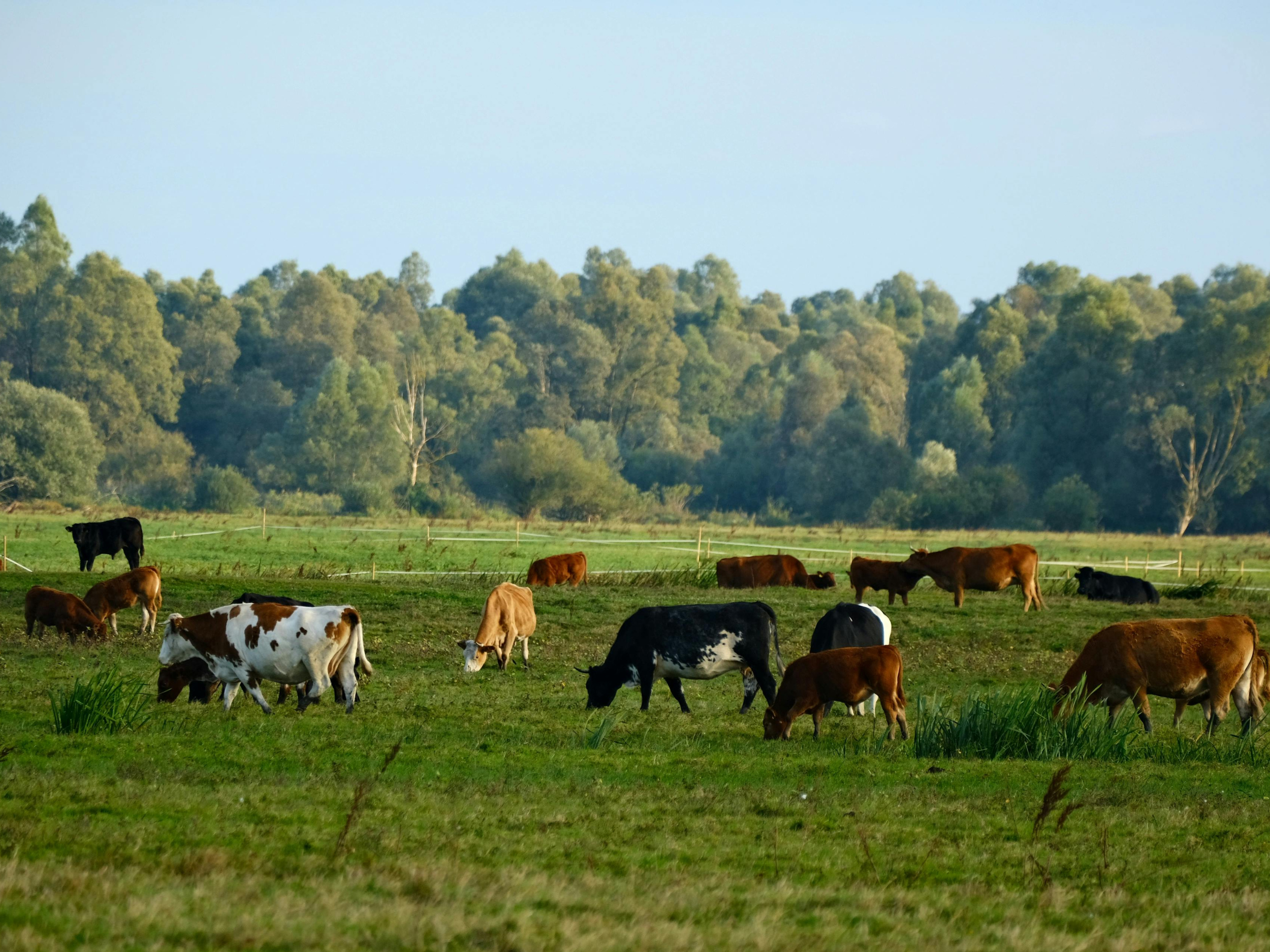
You know we love our raw milk and grass fed/finished steaks around here. But, when you are sourcing food, there are established systems and guidelines built around consumption. When you are sourcing a specific byproduct from an animal for cosmetic formulation, especially at larger volumes, the transparency becomes far less clear. How were the animals treated? How were they processed? Were hormones or antibiotics involved at any point? What environmental toxins accumulated in fat tissue? Was the grass the animal ate treated with chemical sprays? These questions are harder to answer than a pretty label suggests. And if you're formulating for purity and quality, these questions matter. A lot.
Take beef tallow. It is rendered cow fat. It was historically used for cooking and candles, but in recent culture, it has recently been rebranded as ancestral skincare. While it contains fatty acids like stearic and oleic acid, there is very limited clinical research supporting its long term effectiveness or safety for facial skin. Now, this doesn't mean there is no benefit to tallow, but there's limited research to show it. Even dermatologists have expressed skepticism towards tallow because it is occlusive in nature and has big potential to clog pores. This doesn't mean it can't benefit some people's skin, but it may not be a "miracle" ingredient for skin that it is increasingly marketed to be. Especially those with oily and/or acne prone skin. Read more on the potential downfalls of tallow-based skincare for these skin types.
Like we noted, tallow is also highly occlusive. It can sit heavily on the skin and trap bacteria and debris beneath the surface. Some people experience temporary softness... only to develop breakouts weeks later. Yikes. Add to that the reality that animal fat can carry traces of hormones, antibiotics, and environmental contaminants depending on sourcing. We prefer to know everything about our ingredients: the farmers who cultivate them, the kind of soil they grow in, the seed they start from, the location they grow in, and the way they are harvested before arriving to our SBA formulating space.
Then there is stability. Animal fats are prone to quick oxidation if not handled precisely. Improper storage can lead to rancidity pretty fast. Don't want that on your skin! Now, botanical oils naturally contain antioxidants and phytonutrients that support both skin health and product stability when properly formulated.
Another rising concern with using a beef tallow "moisturizer" or straight beef tallow on the face is that it may contribute to increased dryness over time. Beef tallow in itself is not a moisturizer. It acts as an occlusive and can seal in moisture underneath it, the debate is that prolonged use may signal the skin to scale back its own natural oil production since it is so highly occlusive. As natural sebum production decreases the skin may become more dry, flaky, and sensitive. This shift may also weaken the skin’s lipid barrier and could potentially lead to longer term imbalances in complexion overall.
And let’s be honest... Just because something is ancient or old does not automatically make it optimal. We honor traditional wisdom around here and our health benefits from it everyday. We also honor modern research and responsible formulation science!
Instead of heavy, occlusive, limited spectrum animal fats, we lean into ingredients like, raw shea butter, nilotica butter, rosehip seed oil, prickly pear seed oil, pomegranate seed oil, calendula infused oil, cold pressed Jojoba oil, borage seed oil, and many more luxurious and effective oils. And, via our blog, we teach you how to best layer our rich products for best results for your skin type and goals. These plant based ingredients are rich in vitamins, antioxidants, and essential fatty acids. Many carry low to zero comedogenic ratings! They support the skin barrier without suffocating it, especially when formulated with complimentary ingredients and oils. They nourish while allowing skin to function as it was designed to.
We're not exactly interested in chasing every viral skincare trend around here. We are interested in steady, effective skincare.
Choosing plants first is about knowing that nature already offers an abundance of beautifully complex ingredients without requiring us to rely on animal byproducts that are difficult to source ethically and consistently at a high standard.
Have any questions after reading this blog? Let us know. Always happy to chat.
Read more about our plant-based promise:
With gratitude for walking this path with us,
-The SBA Team
-The SBA Team